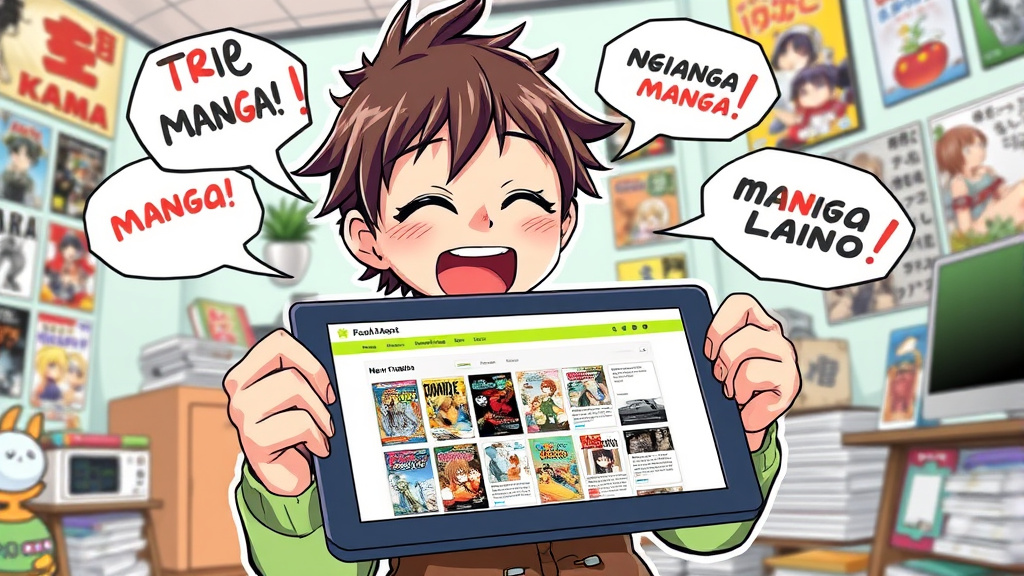
The Enigmatic Allure of the Manga Man – Unraveling the Iconic Archetype in Visual Storytelling
manga man stands as a captivating figure in the landscape of Japanese pop culture, embodying a set of visual cues, personality traits, and cultural symbolism that have captivated audiences worldwide. From his sharp features and impeccable fashion sense to his layered personalities and emotional depth, the manga man is much more than a mere character trope; he’s a reflection of societal ideals, fantasies, and the complex psychology of readers. This article delves into the multifaceted world of the manga man, exploring how this archetype influences fashion, culture, and personal identity while examining its evolution and significance in contemporary media. At the heart of the manga man archetype lies an irresistible blend of charisma, confidence, and vulnerability. These characters often exude an air of mystery and sophistication that draws fans into their worlds. The archetype represents more than just physical attractiveness; it embodies aspirational qualities like strength, intelligence, and emotional depth. The manga man often embodies the idealized male figure in manga stories—someone who navigates complex emotional landscapes while maintaining an aura of control and elegance. This allure is amplified by the way manga artists delineate features—sharp jawlines, expressive eyes, and a sense of poised self-assurance—that immediately signal desirability and intrigue to readers. Culturally, the manga man resonates with the longing for idealized masculinity, often serving as a mirror for fans’ aspirations or fantasies. These characters provide a safe space for exploring emotions traditionally reserved for female characters—vulnerability, tenderness, and uncertainty—thus expanding the traditional archetype of masculinity. The manga man’s appeal lies in this delicate balance—he’s a hero in action and a warm companion in quiet moments—making him a complex and compelling figure that invites continuous fascination. The visual cues of manga men are intricate and meticulously crafted to evoke specific traits and emotions. Their hairstyles often range from neat and elegant to rebellious and carefree, each choice signaling different facets of their personality. For example, tousled hair and slightly unbuttoned shirts might suggest a relaxed confidence, while meticulously styled hair with sharp edges can imply meticulousness or sophistication. Their eyes are typically large, expressive, and filled with emotional nuance—serving as windows into their inner worlds. Artists use eye shape, color, and the surrounding details—like flickering reflections or sweat drops—to communicate a character’s mood or intent vividly. Personality traits displayed by manga men tend to align harmoniously with their visual presentation, creating a cohesive character identity. They can be stoic yet passionate, mysterious yet caring, or cool and aloof but secretly tender. This duality makes them relatable and multi-dimensional, encouraging readers to empathize with their struggles and aspirations. The contrast between appearance and inner emotion is a deliberate technique in manga storytelling—enabling fans to interpret and connect with these characters on multiple levels, heightening their cultural and emotional resonance. The influence of manga men reaches far beyond the pages of comics—impacting fashion trends and personal style choices across the globe. Iconic characters like Levi Ackerman from Attack on Titan or Makoto Tachibana from Free! have inspired countless fans to emulate their fashion, from casual streetwear to high-end designer looks. The sleek aesthetics of manga men encourage a focus on grooming, tailored clothing, and accessories that accentuate masculinity while preserving an air of elegance. Fans often incorporate elements such as sharp hairstyles, minimalist jewelry, or monochromatic color schemes reflective of manga characters’ signature styles. Fashion brands and stylists have taken notice of this phenomenon, integrating manga-inspired motifs into their collections and marketing campaigns. The appeal of manga men lies in their aspirational quality—they embody a form of ideal masculinity that fans want to emulate, blending edge with sophistication. This cross-pollination of manga aesthetics into real-life fashion signifies not only a cultural shift but also underscores how visual storytelling influences and shapes individual identity and societal standards of beauty and style. While the stereotypical manga man is often portrayed as flawlessly handsome, emotionally composed, and confident, there is a growing recognition of diversity within this archetype. Increasingly, manga stories are featuring men with varied body types, backgrounds, and traits—challenging traditional notions of masculinity. Characters like Yusuke Urameshi from Yu Yu Hakusho demonstrate raw emotional intensity and resilience despite a rough exterior, while others explore themes of vulnerability, mental health, and social alienation, presenting a broader spectrum of male experience. This evolution in representation has made the manga man more inclusive and reflective of real-world diversity. It invites a reevaluation of what it means to be a masculine figure, emphasizing emotional authenticity and individuality over superficial appearances. These richer, multidimensional depictions foster empathy and understanding among readers, breaking down stereotypes and encouraging acceptance of varied expressions of masculinity. The manga man, in its modern iterations, becomes a symbol of evolving cultural values—embracing complexity and championing diversity. The portrayal of manga men has undergone significant transformations over decades. In the early days of manga, characters often reflected traditional ideals of masculinity—tough, stoic, and physically robust. However, as storytelling evolved, so did the representation of male characters, embracing softer traits, emotional vulnerability, and nuanced personalities. The emergence of “bishonen” or beautiful boys, with their delicate features and androgynous looks, exemplifies this shift, appealing to a broader demographic and challenging gender norms. Contemporary manga depicts a wide array of manga men, ranging from hyper-masculine warriors to introspective poets and tech-savvy entrepreneurs. This trend highlights the changing societal attitudes toward masculinity—as flexible, multifaceted, and inclusive. Advances in digital art techniques and storytelling complexity have fostered more nuanced character development, ensuring that the manga man remains a dynamic, evolving figure aligned with contemporary cultural currents. The evolution of this archetype mirrors societal progress and reflects the diverse aspirations of modern audiences. The relationship between manga men and the female gaze offers fertile ground for examining gender dynamics and narrative power. Traditionally, manga has been targeted primarily at female readers, who often see themselves reflected in or aspirational toward these characters. Manga men are frequently depicted with sensitivity and understanding, embodying traits of protectiveness, emotional openness, and respect—a contrast to stereotypical male roles. This depiction shifts the power dynamic—instead of the typical male fantasy, the manga man becomes a receptor of the female gaze, often representing ideals of tenderness and emotional intimacy. Such portrayals can challenge traditional notions of masculinity, emphasizing the importance of emotional connection over dominance or aggression. The female gaze in manga storytelling redefines power, allowing manga men to be both strong and vulnerable, fostering a sense of relatable authenticity, and contributing to a broader cultural conversation about gender roles. The appeal of manga men taps into deep psychological mechanisms—aspiration, identification, and emotional catharsis. Their often-perfect appearances evoke admiration and desire, while their complex personalities allow readers to project their fantasies and insecurities onto them. Manga men often embody ideals of strength, kindness, and resilience, which serve as emotional aspirational figures that readers seek to emulate or connect with. Furthermore, their layered personalities and vulnerability provide a safe space for exploring feelings traditionally suppressed in real life. Fans are drawn not just to the physical beauty of manga men but to their emotional depth and multifaceted personas. These characters often represent a form of escapism—allowing readers to experience intense emotions in a controlled, fictional environment. The psychological resonance of manga men lies in their capacity to fulfill desires for connection, admiration, and self-improvement, making them enduring icons in both manga culture and personal identity formation. Cosplayers have taken the world of manga men to new creative heights by bringing their favorite characters to life with meticulous attention to detail. Emulating manga men involves more than replicating their appearance—it also requires capturing their personality, aura, and emotional essence. Cosplay enthusiasts often study the subtle nuances of hairstyle, clothing, and props as a way of embodying the character’s spirit. Beyond aesthetics, successful cosplay is about portraying the character’s confidence, vulnerability, or attitude, making it an immersive performance. This act of emulation fosters a sense of connection and empowerment, allowing fans to embody their ideals and fantasies tangibly. It also influences fashion, makeup, and styling trends among enthusiasts, blurring the lines between fiction and reality. Cosplaying manga men becomes a form of personal expression, demonstrating admiration for these archetypes while enhancing creativity and community spirit. In this way, the act of emulating manga men becomes a creative dialogue between fiction and real life, enriching cultural dialogue and individual identity. The influence of the manga man extends deeply into the realms of anime, video games, fashion, and even advertising. Iconic characters like Gintoki Sakata or Levi Ackerman have become cultural symbols, inspiring everything from merchandise to fashion statements. The archetype’s qualities of charisma, style, and emotional complexity resonate across various media, shaping the aesthetic and character development standards in anime and gaming industries. Moreover, these characters’ popularity has influenced storytelling conventions, leading to more nuanced and emotionally rich portrayals of male characters. Fan communities thrive on sharing and celebrating manga man-inspired content, and their influence permeates local and global pop culture. The archetype serves as a touchstone for creators and fans alike—an inspiration that transcends borders and media formats, reinforcing his role as a central figure in modern narrative aesthetics. Designing your own manga man involves understanding core principles of visual storytelling, psychology, and cultural symbolism. Start by defining his personality—what makes him unique? Is he mysterious, kind, rebellious, or introspective? Visual choices such as hairstyle, clothing, and accessories should reflect these traits, creating a visual vocabulary that communicates more than words ever could. Experimenting with different expressions and postures will help capture the character’s emotional depth, aligning his appearance with his narrative arc. In addition to aesthetics, consider the cultural and social factors that influence his background, motivations, and relationships. A well-rounded manga man is one whose design and personality resonate authentically with your story’s themes. Creating compelling characters involves balancing visuals, personality traits, and backstory to craft an archetype that is both relatable and aspirational. Developing a strong character design enhances storytelling, making your manga more engaging and memorable for audiences. The manga man remains an iconic and versatile archetype in visual storytelling, embodying ideals of strength, vulnerability, and style that appeal across generations and cultures. His visual cues and personality traits are carefully crafted to evoke emotional and aesthetic engagement, while his influence on fashion, pop culture, and personal identity underscores his significance beyond the comic page. As societal norms evolve, so do representations of manga men, becoming more diverse and authentic, reflecting real-world complexity. Whether inspiring fashion trends, influencing storytelling, or empowering fans through cosplay, the manga man continues to resonate deeply, offering a rich canvas for exploring masculinity, emotion, and cultural ideals in a dynamic and captivating way. The Allure of the Manga Man: Exploring the Archetype
 Hình minh họa: read hot manga – manga man
 Decoding the Manga Man: Visual Cues and Personality Traits
read hot manga
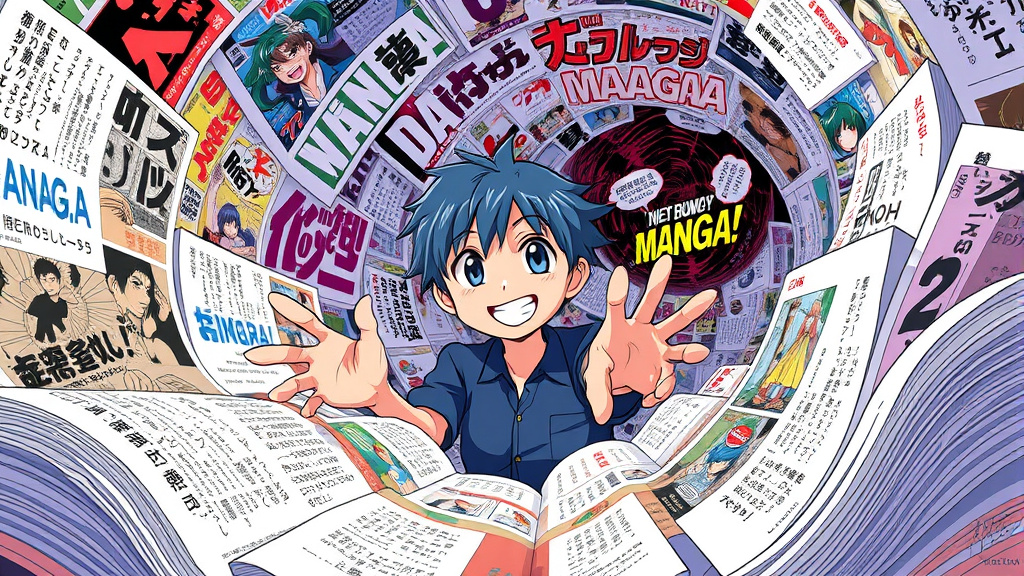
From Page to Reality: The Influence of Manga Men on Fashion and Style
Beyond the Stereotype: Examining Diverse Representations of Manga Men
The Evolution of the Manga Man: Tracing Trends and Transformations
Manga Men and the Female Gaze: Power Dynamics and Representation
The Psychology of Attraction: Why Manga Men Resonate with Readers
Cosplaying the Ideal: The Art of Emulating Manga Men in Real Life
Manga Man in Popular Culture: Influence on Anime, Games, and Beyond
Creating Your Own Manga Man: A Guide to Character Design Principles
Conclusion
Sản phẩm liên quan
-

Huyền Thoại World Cup: Khi Những Vì Tinh Tú Viết Nên Lịch Sử
-

Casino – Hệ Thống Giao Dịch Nhanh Tối ưu Trải Nghiệm Đăng Nhập và Giao Dịch An Toàn
-

Ảnh Đẹp Về Mẹ Và Con Gái Khoảnh Khắc Đẹp Như Mơ Của Thế Hệ Trẻ Với Gương Mặt Nổi Bật
-

Ảnh Gái Đẹp Cởi Truồng Khám Phá Góc Nhìn Nghệ Thuật Và Trách Nhiệm Xã Hội